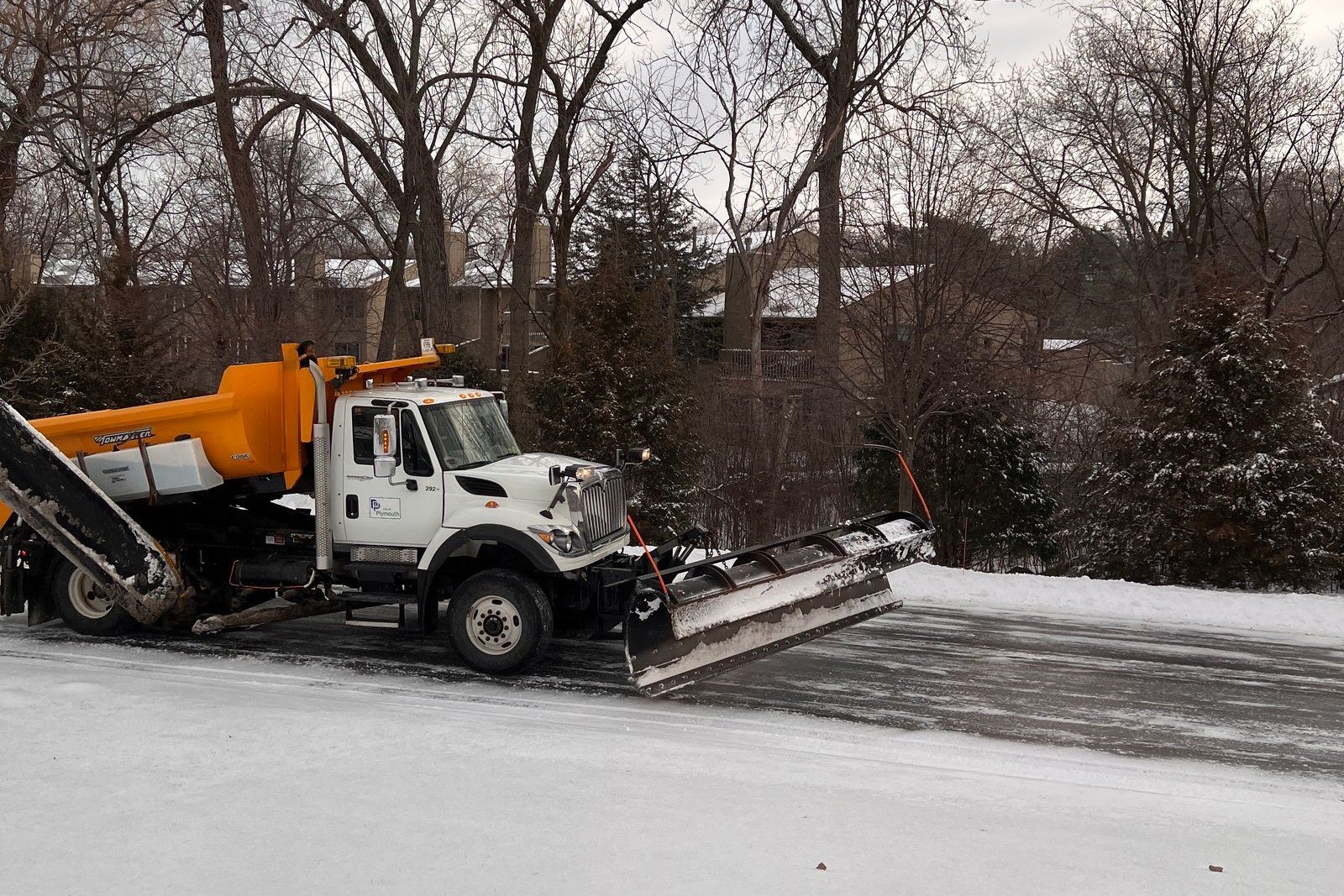
Price a snow removal job for a driveway or lot, by the visit or by the season. Enter your time on site, crew rate and overhead — the calculator adds salt if you include it, applies your target margin, and rolls everything into a per-visit and seasonal price with a buffer for heavy winters.
Price a snow removal job
How to read your result
A residential double driveway (~1,000 sq ft), seasonal contract, salt included, USD:
| Line | Amount |
|---|---|
| Labour — 0.5 hr × $75 | $37.50 |
| Equipment & fuel overhead | $8.00 |
| Salt — 1 bag × $35 | $35.00 |
| Cost per visit | $80.50 |
| Price per visit at 20% margin ($80.50 ÷ 0.80) | $100.63 |
| Seasonal price — 15 visits × 1.15 buffer | $1,735.78 |
| Salt cost per season (35 × 1 × 15) | $525.00 |
| Seasonal price without salt | $981.09 |
Placeholder numbers only — enter your own time, rates and salt costs above.
Two contract habits that save seasons: put a trigger depth in writing (e.g. service at 2+ inches) so there is never a 6 a.m. debate about whether a visit counts; and cap the visit count on seasonal contracts, pricing overage visits separately.
Which trades is this for?
Snow and ice management for commercial and residential properties.
- Snow removal contractors: route-based pricing across multiple lots.
- Landscapers: winter work that fills the gap between seasons.
- Property maintenance: bundled winter services for commercial clients.
Assumptions & limits
- Time drives the price, not square footage. The area field is context to sanity-check your time estimate — a wide commercial lot and a tight driveway of the same size can take very different times.
- Your cost per visit is an estimate. Include drive time, fuel, wear and salt or de-icing materials. Labour costs per hour can be worked out with the Fully Loaded Labour Rate Calculator.
- The risk buffer is a judgment call. 15% is a starting default — adjust it to your winters and your tolerance, and pair it with a written visit cap.
- Contracts vary. Make sure the terms you quote (trigger depth, visit cap, salt included or extra) match what you enter above.
- Not included: sidewalk-only routes, on-call staffing, equipment payments or insurance — fold those into the per-visit overhead field.
- This is a pricing aid, not financial advice. Final pricing is your call.
Common questions
Per-push or seasonal — which is better?
Per-push pays you for every visit, which is fair in heavy winters. Seasonal gives the customer a predictable price and you predictable revenue. Compare both using the calculator — many contractors offer seasonal with a per-push option for salt or de-icing.
What trigger depth should I use?
It depends on the client and the lot. Commercial lots often use a 2-inch trigger; residential driveways are often 3 inches or more. Whatever you choose, put it in the contract so there’s no 6 a.m. argument about whether a visit counts, and a cap.
How do I price salt and de-icing?
Either include it in the per-push price or charge it separately per visit or per bag. If you include it, make sure your rate covers the material cost plus a margin. Salt prices can spike mid-season, so many contractors price it separately.
What if it barely snows?
That’s the risk with per-push pricing — your revenue follows the weather. Seasonal contracts protect you in light winters but can cost you in heavy ones. Some contractors use a hybrid: a seasonal base fee plus per-push charges above a certain number of events.
Related free tools
Take this further
Disclosure: TradeProStack is reader-supported. The links below are affiliate links — if you buy through them, we may earn a commission at no extra cost to you. Placement here never changes our reviews or scores.
Manage recurring seasonal contracts, dispatch crews and invoice per visit, all winter long.
Try WorkizRead our Workiz reviewGuides by trade
Worked examples showing how snow and ice contractors use this calculator with their own numbers: