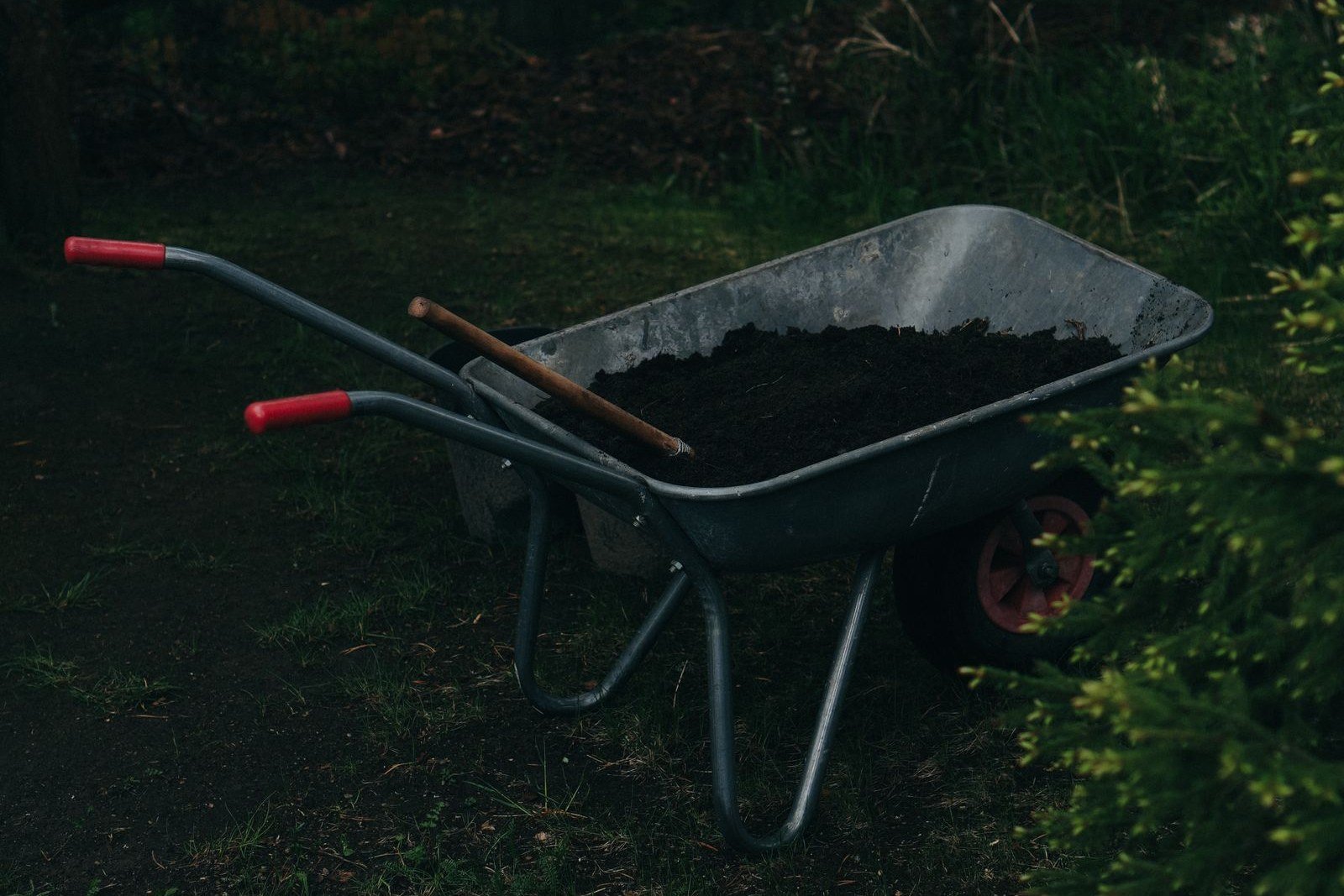
How much mulch do you need for a bed? Enter the length, width and depth to calculate cubic yards, cubic feet or the number of bags you’ll need, including a waste allowance. Works in imperial or metric.
Calculate mulch needed
Calculated from your inputs. Bag counts round up.
See how this was calculated
| Net volume | — |
| Waste allowance | — |
| Total volume | — |
| Bags (rounded up) | — |
Volume = length × width × (depth ÷ 12) × (1 + waste%). Cubic yards = cubic feet ÷ 27. Bags = total volume ÷ bag size, rounded up.
How to read your result
A 20 × 10 ft bed at 3 in deep with 5% waste:
- Net volume: 20 × 10 × (3 ÷ 12) = 50 cu ft
- With waste: 50 × 1.05 = 52.5 cu ft = 1.94 cu yd
- Bags: 52.5 ÷ 2 = 26.25 → 27 two-cubic-foot bags
These are example numbers to show the math. Enter your own bed dimensions above.
Which trades is this for?
For landscaping and grounds trades ordering mulch by the yard or bag.
- Landscaping: new bed installations and annual top-ups.
- Lawn care: mulch as a high-margin add-on service.
- Property maintenance: commercial bed maintenance routes.
Assumptions & limits
- Beds aren’t perfectly level. This calculates geometric volume, so uneven ground, slopes and gaps around edging can affect how much mulch you need. That’s what the waste allowance helps cover.
- Bulk mulch is sold by the cubic yard (27 cu ft). Delivery minimums and fees vary by yard.
- Bag volumes are approximate. A “2 cu ft” bag may vary slightly, so the calculator rounds up to help you avoid running short.
- Depth is the finished depth after settling, not the fluffy depth out of the bag.
Common questions
How deep should mulch be?
Use 2–3 inches when topping up an existing bed and 3–4 inches for a new bed. More than 4 inches can suffocate roots and attract pests, so piling it higher isn’t necessarily better.
Bags or bulk — which is cheaper?
Bulk is much cheaper once you need more than about a cubic yard. Bags make more sense for small beds, tight access or jobs where it’s easier to carry mulch a bag at a time.
How many bags are in a cubic yard?
About 13–14 two-cubic-foot bags, or 9 three-cubic-foot bags. The mulch calculator rounds bag counts up so you don’t run short halfway through a bed.
Should I add extra for settling?
Fresh mulch settles 10–20% in the first season. The default 5% waste covers measuring errors. If the bed is uneven or freshly dug, increase the waste percentage rather than guessing.
Related free tools
Take this further
Disclosure: TradeProStack is reader-supported. The links below are affiliate links — if you buy through them, we may earn a commission at no extra cost to you. Placement here never changes our reviews or scores.
Drop the material list straight into a professional estimate and send it before you leave the driveway.
Try WorkizRead our Workiz review