
Profit Per Job Calculator for Landscapers: What a $4,800 Patio Job Really Earns
A landscaping crew prices a small patio install at $4,800. The client accepts, the crew works three days, and the job looks like a win. The profit per job calculator for landscapers asks a harder question: after loaded labour, materials, disposal, and the excavator rental, what did the job actually keep? This guide works through that patio job with the free calculator, so you can see the math, the margin, and the decision it leads to.
Landscaping jobs are easy to misprice because the costs arrive in pieces. Materials come from the supplier, labour from the crew, and the extras show up as a disposal ticket and a rental invoice days later. A price that looked healthy on the quote can turn thin once every cost is in. The calculator puts the four numbers in one place and gives one answer: profit in dollars, and margin as a percentage of the price.
What the calculator asks for
The calculator takes four inputs, all from the job’s own records:
- Job price: the agreed price for the job, before tax. Use the price on the signed quote, not a round number from memory.
- Labour cost: the crew’s time at the loaded rate, which is wages plus employer burden such as payroll taxes and workers compensation. The tool page is clear that wages alone understate the cost. A $25 an hour wage costs $30 to $33 an hour once burden is included.
- Materials cost: everything installed on the job: pavers, base, soil, plants, and edging. Use supplier invoices, not list prices from a catalogue.
- Other costs: permits, disposal fees, equipment rental, subcontractors, fuel for the job, and card processing fees. The tool page warns against leaving this at zero, since these costs add up on a landscaping job.
The result is gross profit per job, before fixed overhead such as rent, insurance, and office costs. It shows whether the job itself makes money, not whether the business is profitable for the month. A negative result means the job is losing money, not that the calculator is broken.
A patio job, worked through
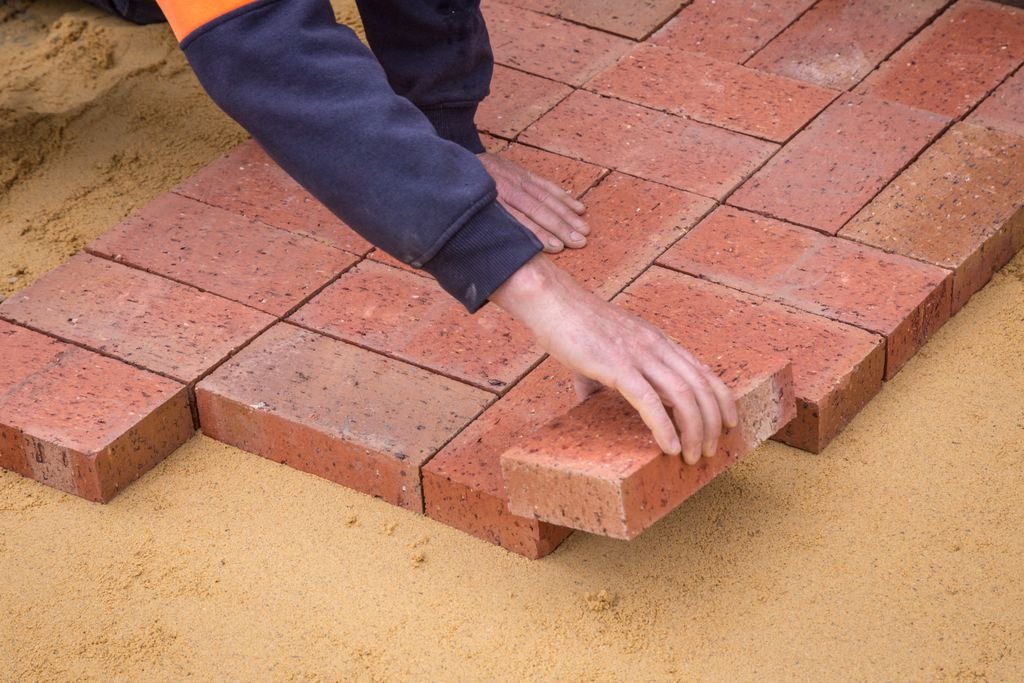
Take a two-person crew installing a small patio with planting beds. Three days, eight hours a day, priced at $4,800. The numbers below are illustrative, so you can follow the math and then substitute your own.
The crew enters: price $4,800, labour $1,824, materials $1,650, other $420.
| Figure | Calculation | Result |
|---|---|---|
| Labour cost | 48 hours × $38 loaded rate | $1,824 |
| Materials cost | Pavers, base, soil, plants | $1,650 |
| Other costs | $180 disposal + $240 rental | $420 |
| Total job costs | $1,824 + $1,650 + $420 | $3,894 |
| Profit | $4,800 − $3,894 | $906 |
| Profit margin | $906 ÷ $4,800 | 18.9% |
| Profit per day | $906 ÷ 3 days | $302 |
The 48 labour hours come from 2 crew members × 3 days × 8 hours a day. The $38 loaded rate is an assumption for this example only, not a tool input. If your loaded rate is different, the hours still stand and the dollars follow your rate. The fully-loaded labour rate calculator gives you that rate from wages, burden, and overhead if you do not have it yet.
What 18.9% means for this job
The tool page states that a 20 to 30% gross margin per job is a common target for small trade businesses, and that margins consistently under 15% deserve a closer look at prices and costs. At 18.9%, this patio job sits below the target band but above the warning line. It makes money, just not enough of it for the risk it carries. One weather delay, one cracked paver run, or one extra disposal load, and the margin slips toward that 15% line.
That reading is the decision the calculator exists to support. A job at 18.9% is not a job to refuse outright. It is a job to reprice, or to run leaner, before the next one like it is quoted. The next section shows the repricing option.
What a higher price would do
Raise the price to $5,200 with the same costs, and the picture changes:
| Figure | Calculation | Result |
|---|---|---|
| Profit at $5,200 | $5,200 − $3,894 | $1,306 |
| Margin at $5,200 | $1,306 ÷ $5,200 | 25.1% |
A $400 price increase lifts profit by $400, from $906 to $1,306, and moves the margin from 18.9% to 25.1%, inside the 20 to 30% band. The costs did not change. The crew, the materials, and the rental are the same. Only the price moved, and it moved the job from thin to sound. That is why the margin percentage matters more than the profit dollars alone: it shows how much room the job has for the things that go wrong.
Over a season, the difference compounds. Forty similar jobs a year at $906 profit each is $36,240. The same forty jobs at $1,306 each is $52,240. The gap is $16,000 a year from one pricing change, applied to the same work. Run the profit per job calculator for landscapers on your own recent jobs and see how many of them sit below 20%, then decide which of them to reprice first.
See how a paver job is priced in practice:
Video: I Am a Hardscaper, “How to PRICE Paver Projects PROFITABLY” (10:16).
Two input mistakes that flatter the number
Wrong inputs make the margin look better than it is, and both of these are easy to make on a landscaping job.
Pricing labour at the wage, not the loaded rate. At a $28 an hour wage, 48 hours costs $1,344, against $1,824 at the loaded $38 rate. The apparent profit becomes $4,800 − ($1,344 + $1,650 + $420) = $1,386, and the apparent margin is $1,386 ÷ $4,800 = 28.9%. That looks comfortable, inside the target band, while the true margin is 18.9%. The $10 an hour gap between wage and loaded rate is $480 on this job alone, and it is real money the business pays whether the quote includes it or not.
Leaving other costs at zero. If disposal and rental are forgotten, the apparent profit is $4,800 − ($1,824 + $1,650) = $1,326, and the apparent margin is $1,326 ÷ $4,800 = 27.6%. Again the job looks sound while the true margin is 18.9%. Disposal and rental invoices arrive after the work is done, which is exactly why they get left out of the quote. Enter them before you price the next job, not after the invoices land.
What to fix first
Start with the price. This job’s costs are already lean: the crew is two people, the materials are invoiced, and the rental is one machine for the dig. There is little to cut without cutting the job itself. The fix is a higher price on the next similar quote, tested against the 20 to 30% band before the client signs.
Next, fix the inputs. Get the loaded labour rate from the fully-loaded labour rate calculator once, and use it on every quote instead of the wage. Keep a short list of the other costs that recur on your jobs, disposal and rental at the top, and add them to the quote as a line, not as an afterthought. Then run each completed job through the profit per job calculator for landscapers and check whether the margin landed where the quote said it would. The jobs that miss are the ones that teach you where the next quote needs to change.
Frequently asked questions
What margin should a landscaping job target?
The tool page gives 20 to 30% gross margin per job as a common target for small trade businesses, with consistently under 15% as the point to take a closer look at prices and costs. Use your own overhead as the second check: a margin that clears the band still has to cover rent, insurance, and office costs for the month.
Should labour be priced at the wage or the loaded rate?
Always the loaded rate. The tool page states that a $25 an hour wage costs $30 to $33 an hour once employer burden is included. Pricing labour at the wage understates the cost on every job and flatters the margin, as the worked example shows.
What goes in other costs on a landscaping job?
Anything the job costs beyond direct labour and materials: disposal fees, equipment rental, permits, subcontractors, fuel for the job, and card processing fees. Group smaller expenses together if you need to, but do not leave the line at zero.
Does a good margin on one job mean the business is profitable?
No. This is gross profit per job, before fixed overhead. A job can clear 25% and the month can still lose money if rent, insurance, and office costs run higher than the jobs cover. Use the calculator to judge each job, and the break-even view to judge the month.
How often should a landscaper recheck job margins?
After every job while you are learning your true costs, then on a sample of jobs each month once the pattern is stable. Recheck whenever supplier prices, wages, or rental rates change, since those move the margin without any change in your price.
How should a landscaper use this on the next quote?
Price the job with loaded labour, invoiced materials, and the real other costs, then run the numbers before the quote goes out. If the margin lands below 20%, change the price or the scope before the client signs, not after the rental invoice arrives. A job that keeps $906 on $4,800 is a job that survived. A job that keeps $1,306 on $5,200 is a job that pays for the season. The markup vs margin guide for landscapers covers the materials side of the same quote, and the concrete guide for landscapers covers ordering for pads and walkways.
Run your own numbers
Enter your job’s price, labour, materials, and other costs in the free profit per job calculator for landscapers and see the profit and margin before you quote the next job.
Photos: William Adams and Littlehampton Bricks via Pexels